Choosing the best scope for SPR (Special Purpose Rifle) requires a delicate balance between rapid target acquisition and long-range precision. The SPR concept, originally centered around the Mk12, demands an optic that can handle a $5.56$ or $.223$ Wylde platform at distances ranging from $50$ to $700$ yards. In this guide, I will evaluate six budget-friendly options that cater specifically to target shooters who need reliability without spending several thousand dollars. Finding the best scope for SPR setups doesn't have to break the bank if you know which mechanical features to prioritize, such as tracking accuracy and glass clarity. Whether you are building a clone or a modern multi-purpose rig, the following reviews will help you select the best scope for SPR applications based on real-world range performance and optical specifications.
Top Product List: Best Scope For Spr
- Vortex Optics Strike Eagle 1-8x24 FFP – Best Overall for Versatility
- Arken Optics EPL4 4-16x44 FFP – Best for Long-Range Precision
- Athlon Optics Helos BTR GEN2 2-12x42 – Best Mid-Range Hybrid
- Primary Arms SLx 1-6x24mm SFP Gen III – Best Budget LPVO for Target Transition
- Sig Sauer Whiskey3 3-9x40 – Best Lightweight Traditional Option
- Vortex Optics Diamondback Tactical 4-12x40 – Best Value for Tactical Dialing
Vortex Optics Strike Eagle 1-8x24 FFP
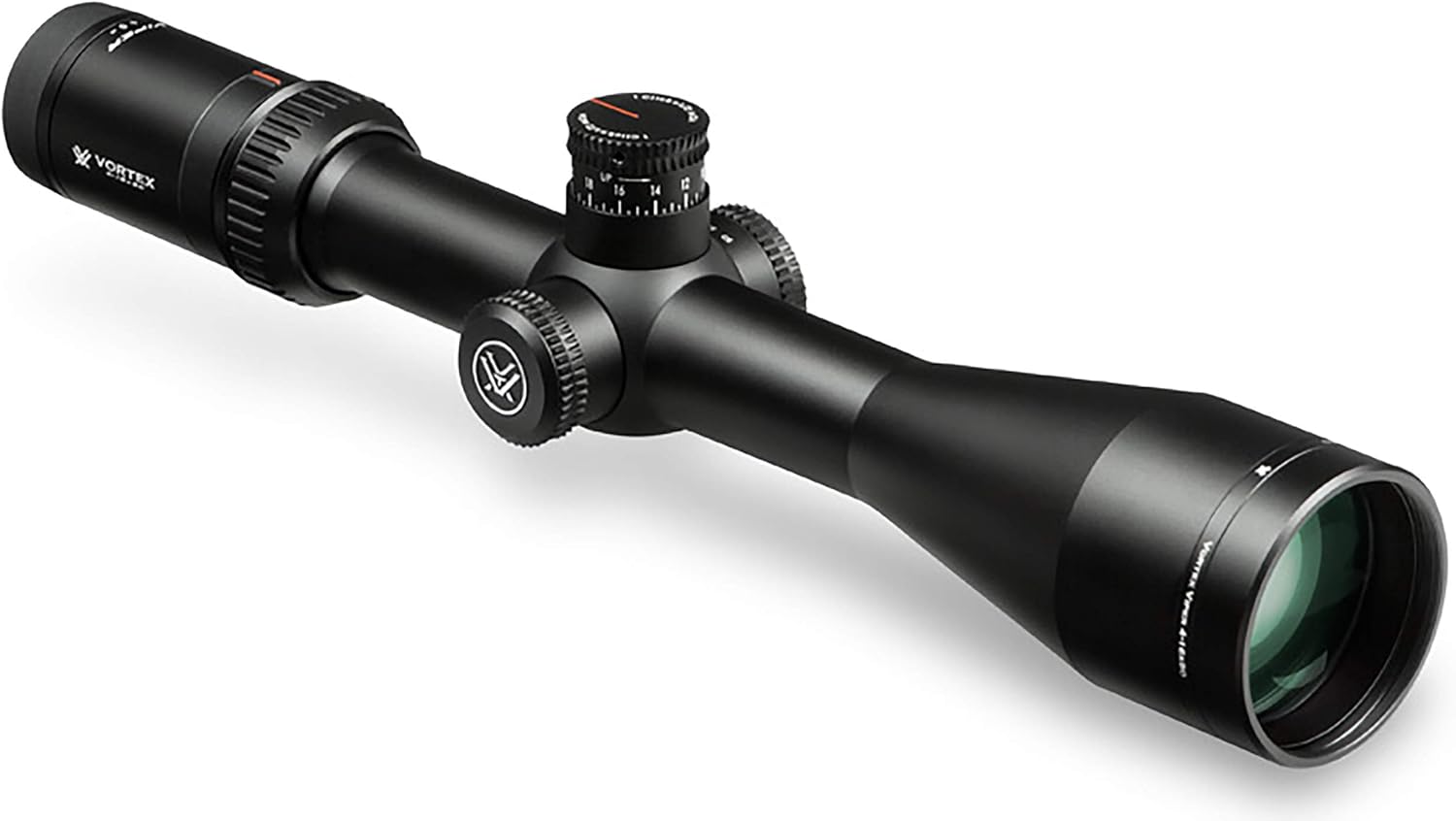
The Vortex Strike Eagle 1-8x24 FFP is a heavy hitter in the world of Low Power Variable Optics (LPVOs). Unlike its SFP predecessor, this First Focal Plane version ensures that your BDC reticle is accurate at every magnification level, making it a premier choice for SPR enthusiasts. It bridges the gap between a red dot and a traditional sniper scope perfectly.
Product Specs
- Magnification: 1-8x
- Objective Lens: 24mm
- Tube Size: 30mm
- Focal Plane: First Focal Plane (FFP)
- Reticle: EBR-8 (Illuminated)
- Weight: 23.9 oz
Pros and Cons
- Pros: True 1x magnification; FFP reticle usability; capped turrets prevent accidental shifts.
- Cons: Slightly heavy for an LPVO; eye box gets tight at 8x.
Glass Clarity & Reticle: The glass quality is surprisingly sharp for a budget-friendly optic. The EBR-8 reticle is a "Christmas tree" style that allows for quick holdovers. At 1x, the outer ring acts like a red dot for close quarters, while at 8x, the fine details appear for precision work.
Eye Relief & Eye Box: At 1x, the eye relief is generous at about 3.9 inches. However, as you crank it up to 8x, the eye box becomes much more restrictive. You need a consistent cheek weld to maintain a full clear image without shadowing.
Durability: Vortex is known for its rugged builds, and the Strike Eagle is no exception. It is nitrogen-purged and O-ring sealed. I’ve banged this against barricades during PRS-style matches, and it hasn't lost zero or shown any internal fogging.
Elevation & Windage Knobs: The turrets are capped, which is preferred for an SPR that might be carried in a bag or over the shoulder. The clicks are tactile but a bit "mushy" compared to high-end Viper or Razor lines.
Magnification & Parallax: The 1-8x range is the sweet spot for an SPR. The parallax is fixed at 100 yards, which is standard for LPVOs but something to keep in mind if you are shooting tiny groups at 25 yards.
Mounting & Accessories: It comes with a thread-in throw lever, which is a massive plus for rapid magnification changes. I recommend a sturdy 30mm cantilever mount to ensure proper eye relief on an AR platform.
My Personal Experience: I mounted this on a 18-inch barreled SPR build using 62gr Federal Gold Medal Match. Zeroing took only five rounds. At the range, I was able to transition from a 25-yard paper target to a 400-yard steel silhouette in seconds. The FFP reticle is the star here; knowing my holds were valid at 5x or 8x gave me immense confidence.
Online Reviews: Users on Reddit’s r/longrange often praise this as the best "entry-level serious" LPVO. Many shooters note that while the glass isn't "Razor sharp," it outperforms everything else in the sub-$600 category.
Verdict: An excellent, versatile choice for those who want one optic to do everything from home defense to mid-range target shooting.
➡️➡️➡️ Explore User Feedback and Current Pricing on Amazon
Arken Optics EPL4 4-16x44 FFP
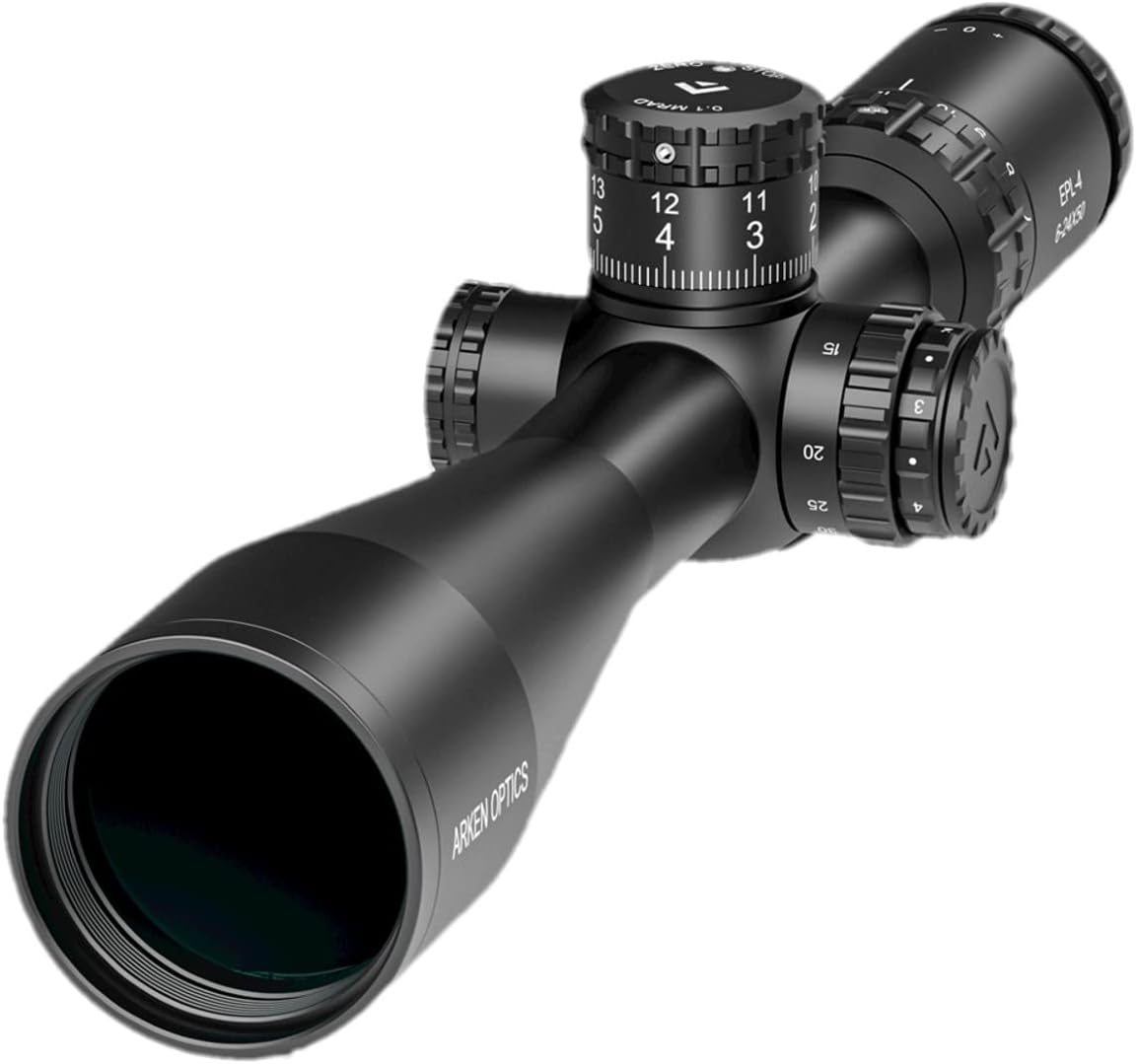
Arken has disrupted the market by offering high-end mechanical features at a fraction of the cost. The EPL4 (Extreme Precision Light) is the lighter version of their famous SH4, making it much better suited for an SPR that needs to remain relatively mobile while providing high magnification.
Product Specs
- Magnification: 4-16x
- Objective Lens: 44mm
- Tube Size: 30mm
- Focal Plane: First Focal Plane (FFP)
- Reticle: VHR/VPR MIL or MOA
- Weight: 24.7 oz
Pros and Cons
- Pros: Incredible turret tracking; Japanese glass; lightweight for its class.
- Cons: Limited availability; the reticle can be very thin at 4x.
Glass Clarity & Reticle: The EPL4 uses high-quality Japanese glass that offers impressive light transmission. The image is crisp from edge to edge with minimal chromatic aberration, even at full 16x power. The VPR reticle is very clean, perfect for target shooters who hate cluttered views.
Eye Relief & Eye Box: Eye relief is steady at 3.6 inches. The eye box is remarkably forgiving for a 16x scope. I found that even when shooting from awkward positional "tank traps," I could acquire a sight picture quickly without fighting black rings.
Durability: Despite the "Light" designation, this scope feels like a tank. It handles the recoil of larger calibers easily, so on a $5.56$ SPR, it is essentially over-engineered. The finish is a matte black that resists scratches well.
Elevation & Windage Knobs: This is where Arken shines. The turrets are "clicky" and extremely precise. They feature a zero-stop that is actually reliable. In my tracking tests, the scope returned to zero perfectly every single time.
Magnification & Parallax: With a 4-16x range, this is for the SPR owner who leans toward the "Sniper" side of the spectrum. The side parallax adjustment is smooth and allows for crisp focus from 10 yards to infinity.
Mounting & Accessories: Arken usually includes a sunshade and bikini covers. Because of the 44mm objective, you can use medium-height rings on most bolt guns, but you’ll want a high cantilever for an AR-style SPR.
My Personal Experience: I used the EPL4 on a dedicated target rig. Shooting at 600 yards, the 16x magnification allowed me to see my hits on steel clearly without a spotting scope. The turrets feel better than scopes I own that cost twice as much. It’s the mechanical precision that really wins you over.
Online Reviews: Forum members on SnipersHide often discuss Arken as the "best bang for your buck" in the precision world. The main consensus is that you are getting $1,000$ performance for half the price.
Verdict: The go-to choice for the SPR shooter who prioritizes long-range precision and turret dialing over close-quarters speed.
➡️➡️➡️ Explore User Feedback and Current Pricing on Amazon
Athlon Optics Helos BTR GEN2 2-12x42
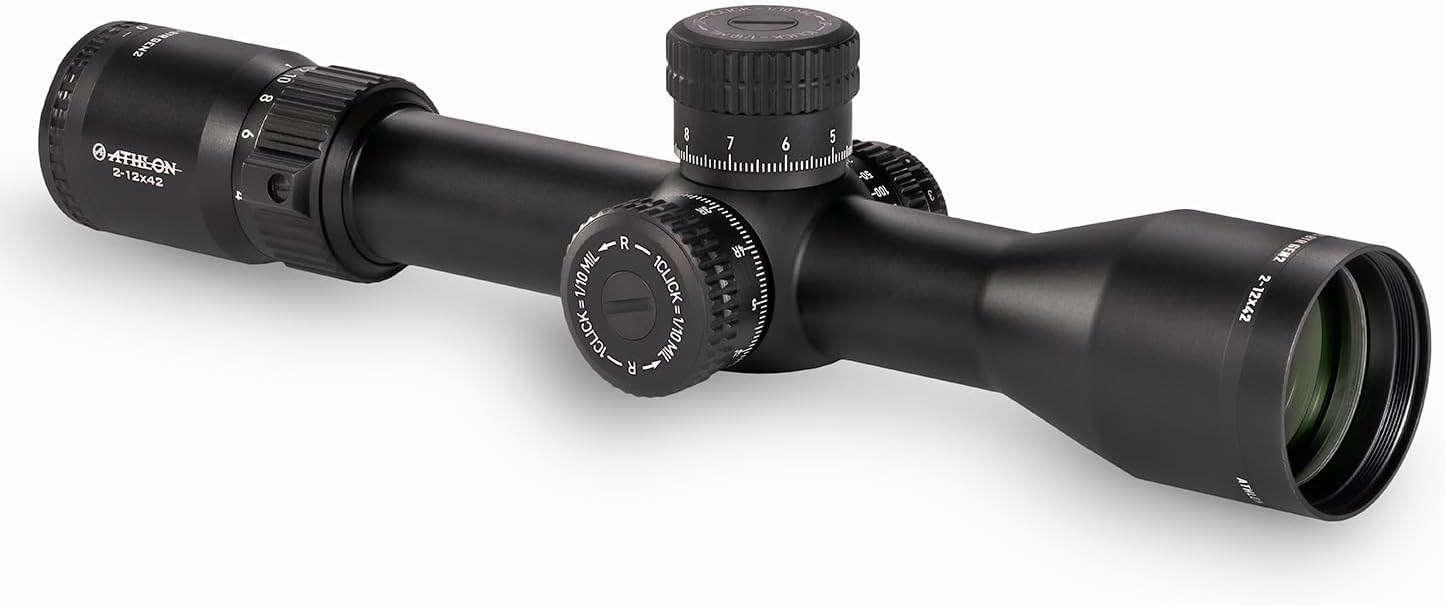
The Athlon Helos BTR GEN2 2-12x42 is often called the "Goldilocks" scope for the SPR platform. 2x is low enough for close targets, while 12x provides enough reach for precision target shooting. The 42mm objective lens gathers significantly more light than a standard LPVO.
Product Specs
- Magnification: 2-12x
- Objective Lens: 42mm
- Tube Size: 30mm
- Focal Plane: First Focal Plane (FFP)
- Reticle: AHMR2 (Illuminated)
- Weight: 25.4 oz
Pros and Cons
- Pros: Locking turrets; great magnification range; very reliable tracking.
- Cons: Heavier than some 1-10x options; illumination is not "daylight bright."
Glass Clarity & Reticle: The glass is Fully Multi-Coated and provides a very bright image. The AHMR2 reticle is an FFP design, meaning the holdover points are accurate at all powers. It’s a very intuitive reticle that doesn't obscure the target.
Eye Relief & Eye Box: You get about 3.6 inches of eye relief. The eye box is very stable throughout the entire magnification range. Even at 12x, you don't feel like you're "peeking through a straw," which helps during long strings of fire.
Durability: The Helos BTR is waterproof, shockproof, and fog-proof. The 30mm tube is made of aircraft-grade aluminum. I’ve used Athlon products in heavy rain, and the internal seals held up without any issues.
Elevation & Windage Knobs: These turrets are locking, which is a fantastic feature for a rifle that might be handled roughly. You pull up to adjust and push down to lock. The clicks are distinct and audible.
Magnification & Parallax: The 2-12x range is perfect for those who find 8x or 10x just a little too short for small targets. It features a side parallax adjustment that goes down to 10 yards, making it versatile for rimfire SPR trainers as well.
Mounting & Accessories: The 42mm objective is the limit for some low-profile mounts. You’ll need to ensure you have enough clearance over the handguard. It pairs well with high-quality 30mm rings.
My Personal Experience: I found this scope to be the most "comfortable" to shoot. The 12x magnification is a noticeable step up from 8x when trying to punch groups in paper at 200 yards. The locking turrets gave me peace of mind while moving between shooting positions.
Online Reviews: Many reviewers on YouTube highlight the Helos BTR GEN2 as a top-tier "Mid-Power Variable Optic" (MPVO). Users love the feature set, particularly the zero-stop and locking turrets which are rare at this price point.
Verdict: A perfectly balanced optic for the shooter who wants more "scope" than an LPVO but less bulk than a full-size sniper optic.
➡️➡️➡️ Explore User Feedback and Current Pricing on Amazon
Primary Arms SLx 1-6x24mm SFP Gen III
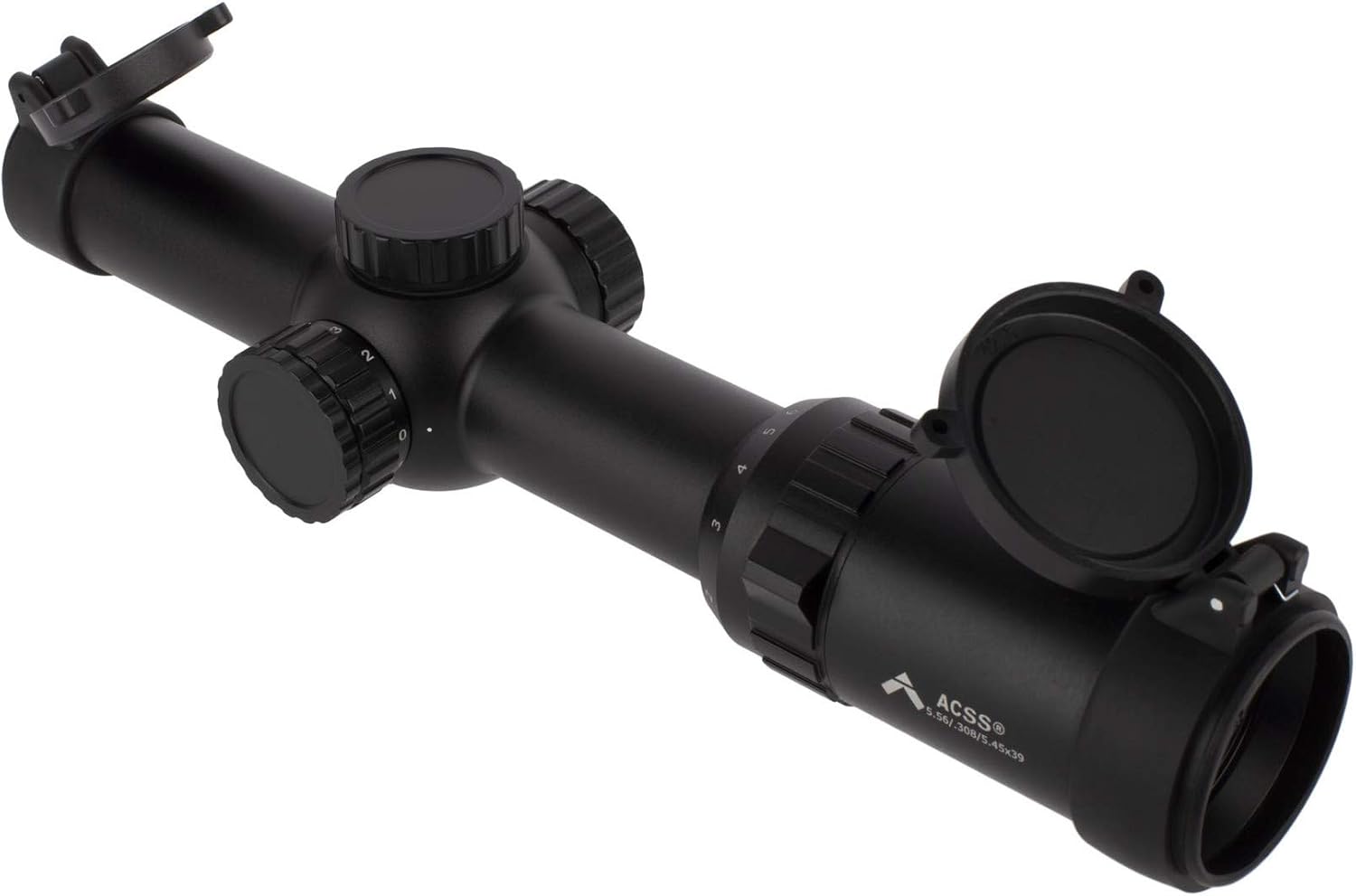
Primary Arms is the king of budget-friendly optics, and their SLx line is legendary. This 1-6x SFP (Second Focal Plane) scope features the patented ACSS reticle, which combines bullet drop compensation, wind holds, and range estimation into one easy-to-use system.
Product Specs
- Magnification: 1-6x
- Objective Lens: 24mm
- Tube Size: 30mm
- Focal Plane: Second Focal Plane (SFP)
- Reticle: ACSS (Illuminated)
- Weight: 16.9 oz
Pros and Cons
- Pros: Extremely fast target acquisition; very lightweight; affordable.
- Cons: BDC is only accurate at 6x; SFP design is less versatile for holdovers.
Glass Clarity & Reticle: For an entry-level scope, the glass is very clear. The ACSS reticle is the real selling point here. It allows you to range a target and hold for wind instantly without touching the turrets. Since it's SFP, the reticle stays large and easy to see even at 1x.
Eye Relief & Eye Box: The eye relief is about 3.3 to 3.5 inches. Because it’s an SFP 1-6x, the eye box is very forgiving at lower magnifications, acting almost like a red dot when you're shooting targets up close.
Durability: Primary Arms offers a lifetime warranty, which speaks to their confidence. The scope is IP67 waterproof and built to handle the "duty" cycle of an SPR. It’s held up well to repeated recoil on several of my builds.
Elevation & Windage Knobs: The turrets are capped and low-profile. They are meant to be "set and forget," as you will likely be using the ACSS reticle for all your elevation and windage adjustments in the field.
Magnification & Parallax: 1-6x is the classic LPVO range. It handles everything from 0 to 500 yards effectively. The parallax is fixed at 100 yards, which keeps the scope simple and lightweight.
Mounting & Accessories: It’s one of the lightest scopes on this list, which helps keep your SPR build nimble. It fits any standard 30mm mount. Primary Arms also sells excellent affordable mounts to go with it.
My Personal Experience: This was the first scope I ever put on an SPR-style rifle. The ACSS reticle made me look like a pro; I was hitting steel at 300, 400, and 500 yards just by following the "chevron" and "ladder" marks. It’s the easiest scope to learn on.
Online Reviews: On forums like AR15.com, the SLx 1-6x is the "gold standard" for budget builds. Users frequently mention that they own several of these because they are so reliable for the money.
Verdict: The absolute best choice for a beginner or a budget-conscious shooter who wants a "smart" reticle that does the math for them.
➡️➡️➡️ Explore User Feedback and Current Pricing on Amazon
Sig Sauer Whiskey3 3-9x40
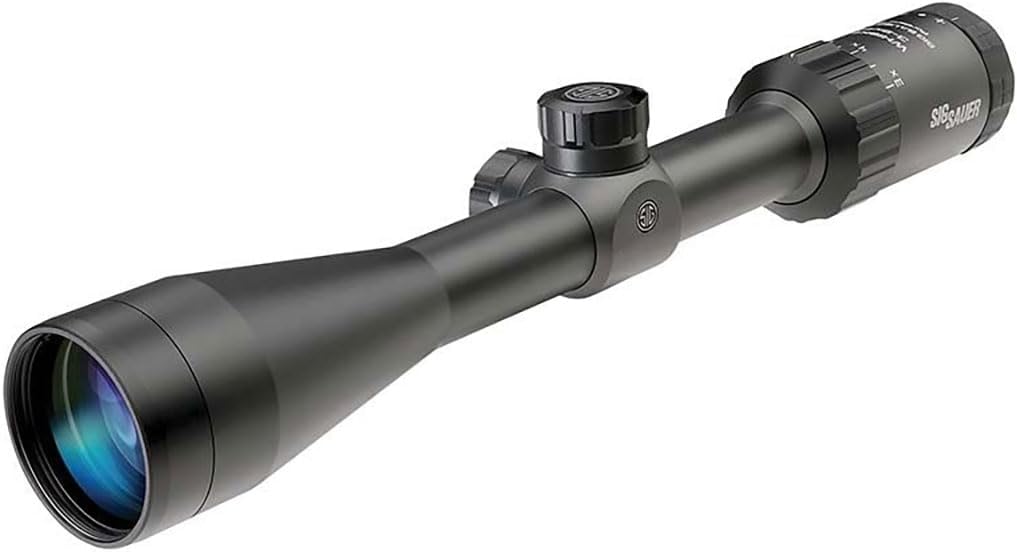
If you prefer a more traditional rifle scope for your SPR, the Sig Sauer Whiskey3 is a fantastic, no-nonsense option. It focuses on clarity and simplicity, offering a 3-9x magnification range that has been the standard for marksmen for decades.
Product Specs
- Magnification: 3-9x
- Objective Lens: 40mm
- Tube Size: 1 inch
- Focal Plane: Second Focal Plane (SFP)
- Reticle: Quadplex or Hellfire
- Weight: 15.7 oz
Pros and Cons
- Pros: Very lightweight; sleek design; extremely clear glass for the price.
- Cons: 1-inch tube limits total adjustment travel; no fancy tactical reticle.
Glass Clarity & Reticle: Sig’s "Low Dispersion" (LD) glass is the standout feature here. The image is bright and color-accurate. The Quadplex reticle is simple and effective for target shooting where you don't want a busy view. It’s great for high-contrast environments.
Eye Relief & Eye Box: The eye relief is a comfortable 3.5 inches. The eye box is very generous, as is common with 3-9x scopes. You won't struggle to find your target, even if your head isn't perfectly aligned.
Durability: It is rated IPX-7 waterproof and is fog-proof. The European-style eyepiece allows for fast and easy focus adjustment. I’ve found the finish to be very durable against chemicals and oils used in cleaning.
Elevation & Windage Knobs: The turrets are capped and provide 1/4 MOA adjustments. They are tactile and reliable for zeroing, though not designed for constant "dialing" in the field like a precision scope.
Magnification & Parallax: 3-9x is a versatile range for the SPR. While it lacks a true 1x for close-up work, 3x is still usable at 25 yards, and 9x is plenty for 500-yard targets. Parallax is fixed at 100 yards.
Mounting & Accessories: This scope uses a 1-inch tube, which is lighter but requires specific 1-inch rings (rather than the more common 30mm). It’s a very low-profile setup that looks great on "Reece" style rifles.
My Personal Experience: I used this on a lightweight SPR build intended for "hiking and shooting." The weight savings were noticeable. While it doesn't have the tactical look of the others, the glass was so clear that I could see bullet holes in paper at 100 yards easily.
Online Reviews: Reviewers on Amazon and hunting forums often point out that Sig Sauer’s entry-level glass punches way above its weight class. It’s frequently compared to more expensive Leupold models in terms of brightness.
Verdict: Perfect for the shooter who wants a lightweight, traditional setup with superior glass clarity.
➡️➡️➡️ Explore User Feedback and Current Pricing on Amazon
Vortex Optics Diamondback Tactical 4-12x40
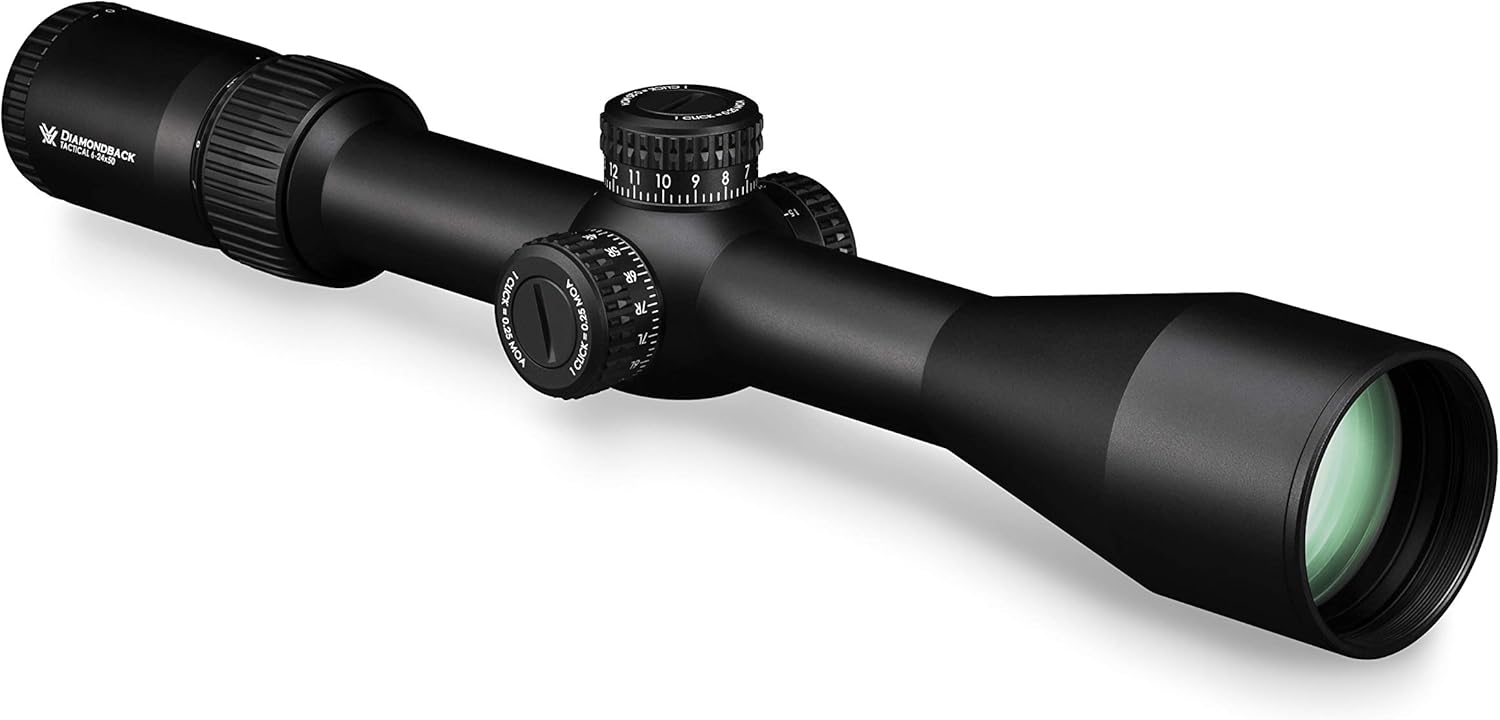
The Diamondback Tactical 4-12x40 is designed for the shooter who wants to learn the art of long-range dialing. It features exposed tactical turrets and a VMR-1 reticle, making it a "trainer" version of Vortex's high-end precision scopes.
Product Specs
- Magnification: 4-12x
- Objective Lens: 40mm
- Tube Size: 1 inch
- Focal Plane: Second Focal Plane (SFP)
- Reticle: VMR-1 (MOA)
- Weight: 16.2 oz
Pros and Cons
- Pros: Exposed turrets for fast dialing; VMR-1 reticle is great for ranging; very affordable.
- Cons: No zero-stop; turrets can be accidentally bumped if not careful.
Glass Clarity & Reticle: The glass is crisp and utilizes Vortex’s XD lens elements to increase resolution. The VMR-1 reticle is a hash-mark based system that allows for precise holdovers or windage corrections if you choose not to dial the turrets.
Eye Relief & Eye Box: Eye relief is 3.8 inches, which is excellent for safety and comfort. The eye box is stable until you hit the 12x mark, where it requires a bit more care in head positioning to avoid vignetting.
Durability: Like all Vortex products, it’s built to last. It is shockproof and waterproof. The exposed turrets are sturdy, though you should be mindful that they don't lock, so check your zero before a match.
Elevation & Windage Knobs: The exposed turrets are the highlight. They have a very tactile feel, allowing you to "click" your way to a target at 500 yards and then back to zero. For a budget scope, the tracking is remarkably consistent.
Magnification & Parallax: 4-12x is a great "precision" range for an SPR. It allows for tiny groups at 100 yards while having enough power for long-range steel. The parallax is fixed at 100 yards on this specific model.
Mounting & Accessories: The 1-inch tube keeps the weight down. It’s easy to mount on any standard rail system. It includes removable lens covers and a lens cloth.
My Personal Experience: I used this scope to practice "the box test" (dialing up, right, down, and left to see if it returns to center). It passed with flying colors. For a target shooter on a budget, having exposed turrets to play with is both fun and educational.
Online Reviews: Users on r/smallgroups often recommend the Diamondback Tactical as the best "learning" scope. It’s praised for teaching shooters how to use MOA/MIL systems without spending a fortune.
Verdict: The best choice for the "tactical" target shooter who wants to practice dialing elevations for different distances.
➡️➡️➡️ Explore User Feedback and Current Pricing on Amazon
How to Choose the Right Scope for Your SPR
Choosing the right optic for a Special Purpose Rifle involves understanding the "mission" of the rifle. An SPR is designed to be more accurate than a standard carbine but more portable than a heavy sniper rifle. Therefore, your scope must reflect this duality. The first decision is the Magnification Range. For a versatile SPR, a 1-8x or 2-10x range is ideal. If you are strictly shooting at the range or from a bench, a 4-16x might serve you better, but it will make the rifle feel sluggish during "run and gun" drills.
Next, you must choose between First Focal Plane (FFP) and Second Focal Plane (SFP). FFP is generally preferred for tactical or long-range target shooting because the reticle's hash marks remain accurate at all magnifications. This allows you to hold for wind or elevation even if you aren't at "max power." However, SFP scopes are often cheaper and have a reticle that is easier to see at low magnification, which is great for close-range speed.
Finally, consider the Turret Style. For target shooting, exposed turrets are excellent because they allow you to "dial" for distance. If you are shooting at 100 yards and then moving to 500 yards, you can simply click the turret to the correct setting. If you prefer to use the reticle for holds, capped turrets are better because they are protected from being bumped. Always look for a scope with a "Zero Reset" feature so you can easily return to your 100-yard zero after a long day of adjustments. Lastly, don't forget the Glass Quality. Look for "Fully Multi-Coated" or "Extra-low Dispersion" (ED) glass labels, as these ensure you can see your targets clearly even in the fading light of dusk or on overcast days at the range.
FAQs
1. What magnification is best for an SPR?Most experts agree that a range between 1x and 10x is perfect for an SPR. This allows for 1x "both eyes open" shooting at close range and enough magnification to hits targets at 600+ yards.
2. Should I get a MIL or MOA reticle?It depends on what your friends or shooting partners use. MOA (Minutes of Angle) is more common in the US and is easy to think of as "1 inch at 100 yards." MIL (Milliradians) is a base-10 system used by the military and is often considered more "professional" for long-range math.
3. Does an SPR scope need illumination?While not strictly necessary for daytime target shooting, an illuminated reticle is very helpful for "finding" the center of the crosshairs against dark targets or in low-light conditions.
4. Can I use a 1-inch tube scope on an SPR?Yes, but 30mm tubes are more common today because they allow for more internal adjustment travel and are generally more rugged. 1-inch tubes are lighter and often found on budget or hunting-focused scopes.
5. How much should I spend on a budget SPR scope?In today's market, you can find excellent performance between $300 and $600. Spending less than $200 often leads to "mushy" turrets and poor glass clarity that will frustrate you at longer ranges.
Conclusion
The best scope for SPR setups is ultimately the one that matches your specific shooting style. If you value speed and versatility, an LPVO like the Vortex Strike Eagle is hard to beat. If you are a precision-oriented shooter who loves to dial turrets, the Arken EPL4 or Vortex Diamondback Tactical will provide the mechanical accuracy you crave. No matter which you choose, each of these budget-friendly options provides the durability and clarity needed to push your SPR to its full potential. Happy shooting!